
The Resilient Dog: Why Adaptability Is About Trust, Not "Chill" Genetics

When people see a dog relaxing through a pub lunch or ignoring another barking dog across the street, the assumption is usually: "You’re so lucky, he’s just naturally easygoing."
While some dogs really do win the genetic lottery, real adaptability is often a lot more than luck.
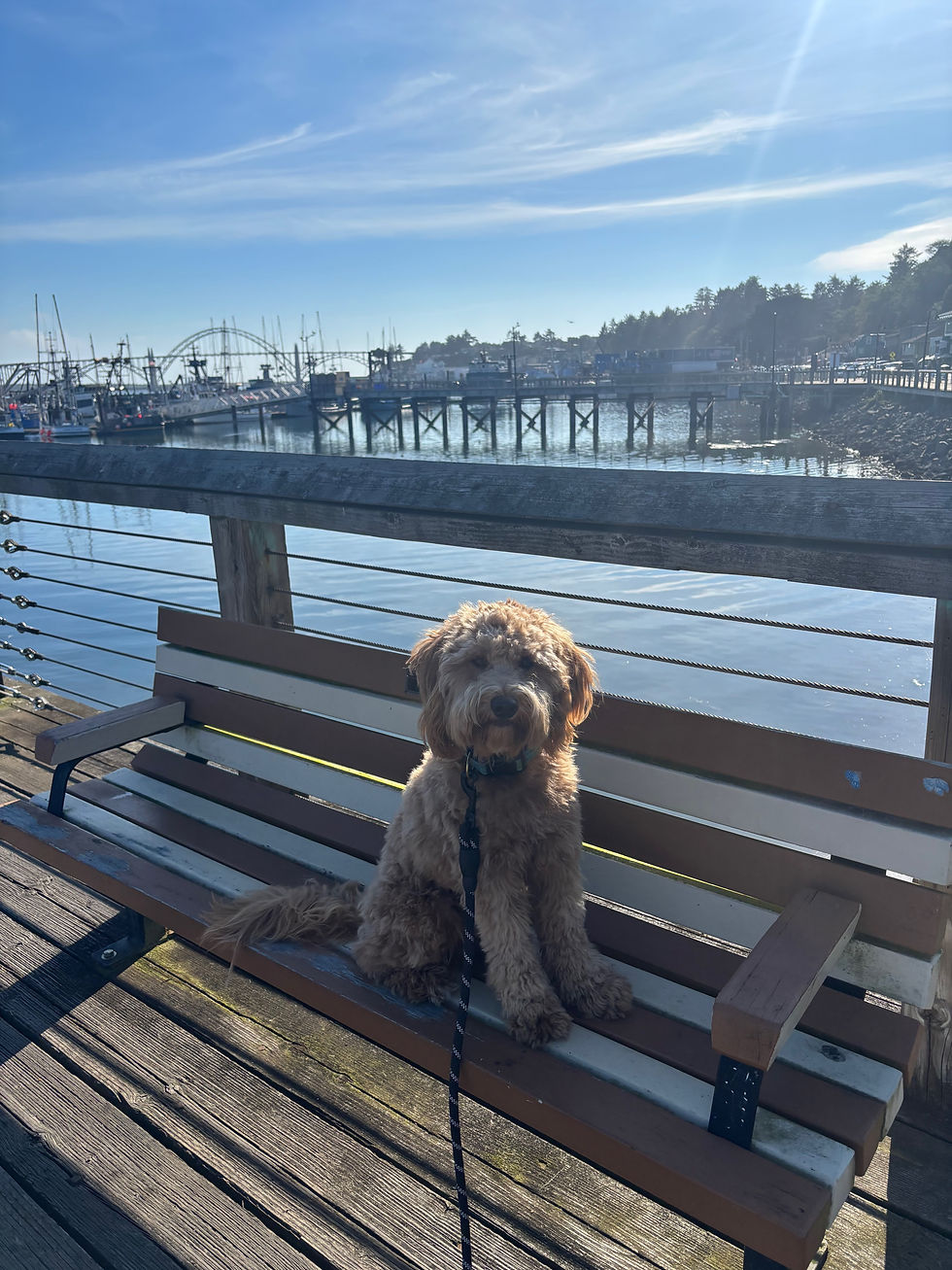
This summer, as Ozzie and I traveled through tents, yurts, stormy nights, and busy patios, I found myself reflecting on how much he has matured. He has become so much more comfortable, resilient, and trusting on the road. But that calm demeanor was built on hours of quiet groundwork, patience, and intentional effort.
Being adaptable does not mean your dog never feels fear, worry, or surprise. Dogs are sentient beings with a natural instinct to notice change in their environment. True adaptability is about how quickly your dog's nervous system can recover and return to baseline.
An unsettled dog barking for fifteen minutes after a guest arrives might be labeled as stubborn or trying to "take charge." In reality, they are usually feeling vigilant and overwhelmed. When a dog learns they do not have to monitor every potential threat because you have their back, they can often relax and settle.
Starting from Scratch with Ozzie
Ozzie’s puppy temperament evaluation showed a pronounced startle response to unfamiliar objects.
He was not born an excellent travel dog. A tarp snapping in the wind, a new real estate sign on the sidewalk, and most memorably, a statue of two children on a park bench all sent him into wide-eyed alarm mode.
Puppies, Rescues, and Cautious Dogs
Nature gives dogs a foundation, but our guidance helps shape how they see the world.
For puppies, that early socialization window is precious. However, that does not mean rushing to crowded dog parks before vaccines are finished. True socialization is about safe, low-stress exposure from a distance, pairing novel sights and sounds with good things so their brain registers the world as safe.
For dogs that miss that early window, rescue dogs, or naturally cautious dogs (like Ozzie), building adaptability takes more intentional groundwork. Trust for dogs comes down to consistency and clarity. When our own reactions or rules are unpredictable, it can create confusion and hyper-vigilance.
The Value of the Check-In
When a dog trusts you to handle the environment, their default response to uncertainty often changes. Instead of panicking or barking, they may begin to check in with you.
A great example of this happened while we were hiking the trails at Fort Stevens. A pack of coyotes started making a racket nearby. Instead of panicking, Ozzie kept looking out toward the woods, then looking back at us, then looking out, and looking back at us. He was asking, "Are we okay here?" Because he sensed we were calm and aware, he was able to take our lead and move on.
Building Confidence Step by Step
Helping a dog become adaptable takes a slow, steady approach:
Start Small: When we prepped Ozzie for dog-friendly patios, we started with really short visits during quiet hours and slowly built up.
Watch for Subtle Stress: Look for early signs like lip licking (without food around), yawning, or tension in the face and body. Try to give your dog space or leave before they feel pushed to act out.
Bring a Familiar Anchor: A familiar travel mat or blanket gives your dog an immediate cue that says, "This spot is safe," no matter where you are sleeping that night.
Work with a Professional: If you are working with an anxious or fearful dog, partnering with a positive reinforcement (+R) trainer can help you set up a clear, humane plan at your dog's pace.
Every dog is an individual, but with patience, clarity, and trust, you can help them build the tools to navigate a changing world with more confidence.


Comments